Grants Awarded for the 2026-2027 School Year
National Association for the Education of Young Children (NAEYC) Annual Conference
Bryan Kelly, Grade 3 team lead (Lincoln School), will attend the National Association for the Education of Young Children (NAEYC) Annual Conference in Washington, DC, December 2026. NAEYC is a leading professional organization for early childhood educators, providing research-based resources, professional learning, and networking opportunities. Through conference sessions and collaboration with educators nationwide, Mr. Kelly will gain strategies and best practices to support student of various learning abilities learning to bring back to work with his colleagues at Lincoln School.
National Art Education Association Convention
Art teachers from Hanscom and Lincoln schools will attend the National Art Education Association (NAEA) Convention in New York City in March 2027. The convention provides professional learning through workshops, presentations, and discussions focused on best practices in visual arts, design, and media arts education. By participating in this national conference, the team will gain new strategies and evidence-based approaches to curriculum, instruction, assessment, and leadership while collaborating with art educators from across the country.
Project Ukulele
Lincoln School music teacher Elisabeth Hoffman purchased 25 carbon-fiber ukuleles for Lincoln School fourth-grade music students. This introduces a new string-instrument component to the elementary music curriculum that emphasizes improvisation, solo performance, ensemble collaboration, and music literacy. By providing all fourth-grade students with hands-on experience learning a melodic string instrument, the project will foster continuity between elementary and middle school music programs by providing students with foundational instrumental experience before entering grades 5–8.
Therapies in Schools conference
Lincoln School Foundation awarded a grant to Lincoln 5-8 Principal Peledge and two staff members to attend the Learning & the Brain conference, focusing on the Science of Emotion. This interdisciplinary conference equips educators with evidence-based strategies to support students who face emotional and mental health challenges. he professional development opportunity will provide our educators with cutting-edge research and practical approaches to enhance student wellbeing. Upon their return, the team will implement these strategies directly in Lincoln's classrooms, strengthening our school's ability to support students' emotional needs
Hanscom Tripods
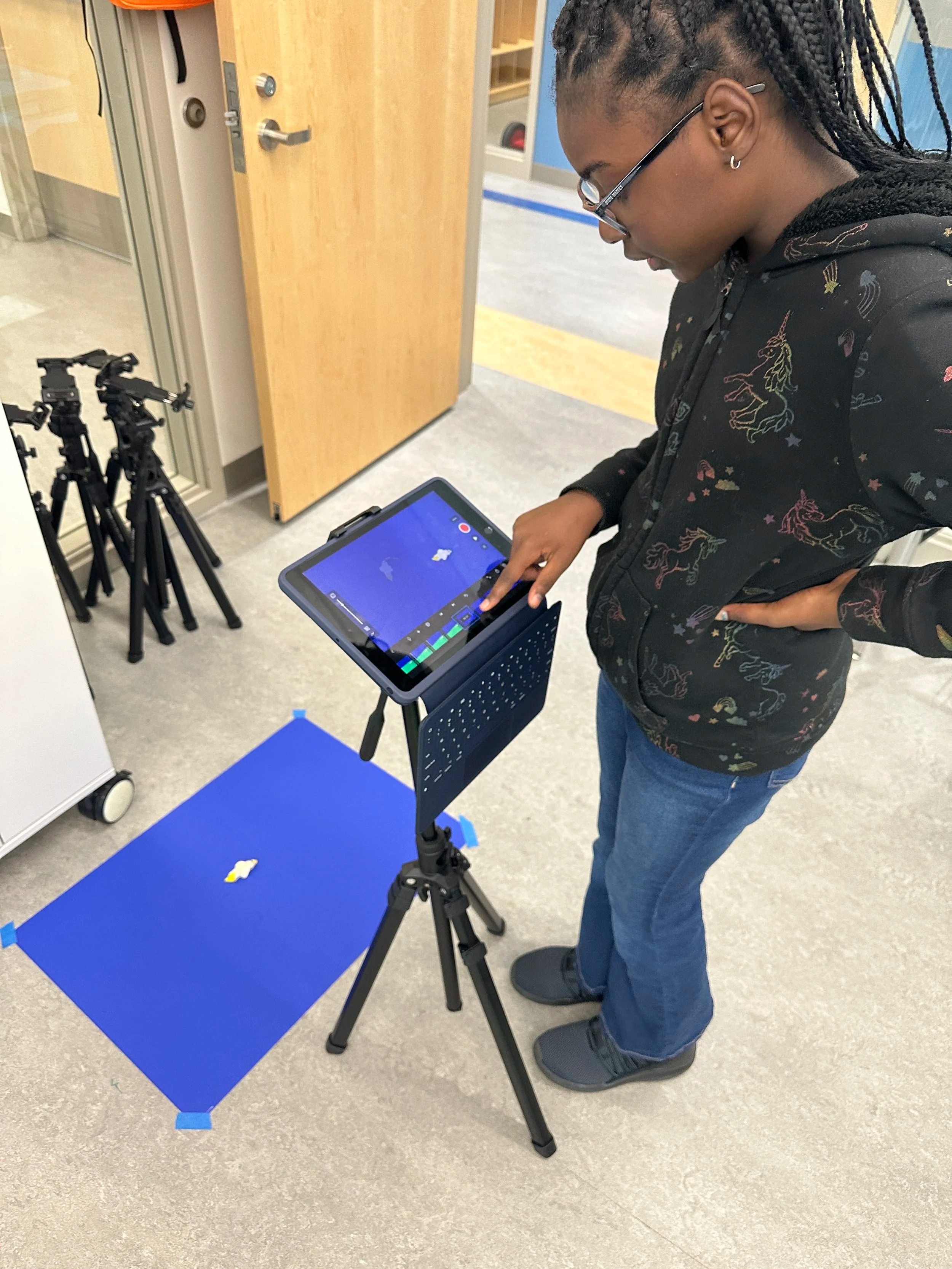
Art teacher Scott Wiener and Instructional Technology Specialist Nicole Putnam are equipping Hanscom classrooms with iPad-compatible tripods to enhance digital storytelling and multimedia learning. The 36 tripods (one class set each for K-3 and grades 4-8) will enable students to create high-quality videos and photographs for art projects, makerspace activities, and integrated classroom assignments. This equipment will build teacher confidence in using multimedia tools while empowering all students, including military-connected learners, to express themselves creatively and demonstrate their understanding through digital media.
“I started using the tripods with third graders today. They were being introduced to making stop motion animation videos and their task was to create a short animation showing an object move across the screen. I am attaching two pictures so you can see the tripods in use. After this quick introduction, students will be creating characters and settings out of clay and paper and making short animation videos that will be shared at our district art show.”
Making Student Thinking Visible
K-4 Math Specialist Rachel Goldner is taking a professional course focused on making student thinking visible in math classrooms. The course includes personalized coaching to help Goldner develop classroom routines that encourage students to articulate their mathematical reasoning and participate more actively in discussions. By learning to better identify student misconceptions and differentiate instruction, Goldner will strengthen math learning for Lincoln's K-4 students. She'll share the strategies with colleagues during Common Planning Time and district professional development sessions, extending the impact beyond her own classroom
Mosaic Skills Lab
Art teacher Pamela DiBiase will attend a four-day intensive mosaic workshop at Snow Farm in Williamsburg this June, studying with master artist Cynthia Fisher. The professional development will deepen DiBiase's artistic practice and give her the skills to guide Lincoln middle school students in creating a large-scale collaborative mosaic installation. Students will gain direct exposure to the professional artistic process while working together on a permanent piece for the school, learning both individual mosaic techniques and the value of collaborative art-making.
Reading League Conference
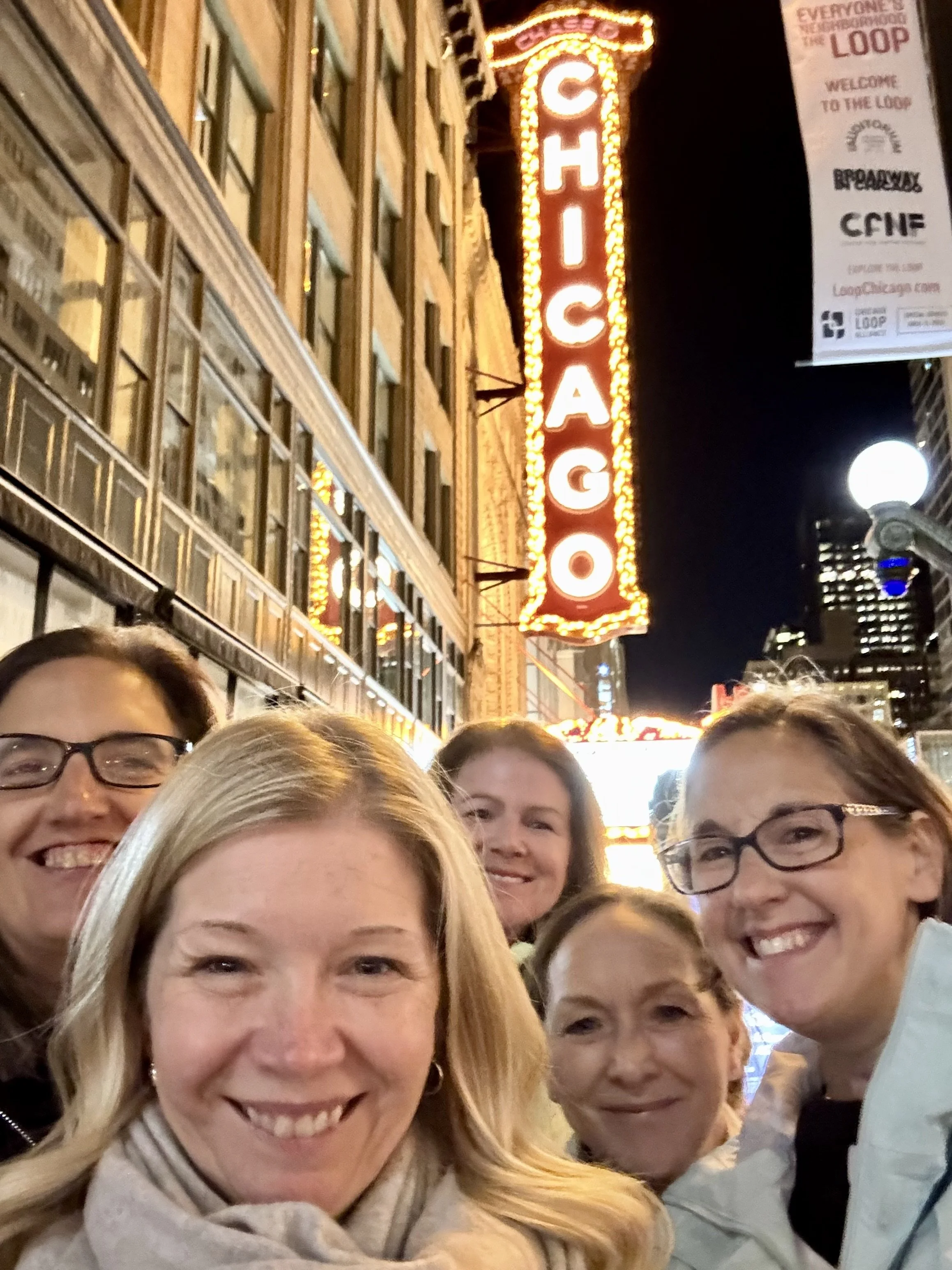
Six Lincoln Public Schools educators attended The Reading League's 9th Annual Conference in Chicago to bring back the latest evidence-based literacy practices. LASH Coordinator Karyn Saxon led a team including literacy specialists Andria Gross and Linda Lamenza, instructional coaches Rose Vignola and Maureen Markelz, and Assistant Superintendent Torrance Lewis. The team learned strategies to strengthen Tier 1 instruction and small-group support for K-8 students while building district capacity through high-quality professional development. They will deliver peer-led training sessions and coaching support across both schools, improving literacy instruction and student achievement district-wide.
“Thank you for this wonderful opportunity! We got a lot of good nuggets that we can definitely weave into our coaching and intervention with teachers both in addition to and combined with our new curriculum.”
Reading Pen Pilot
Special Education Liaison Colette Kuchel is piloting C-Pen Reader text-to-speech devices to support struggling readers and English Learners across Lincoln School. The handheld reading pens will help students access text more independently by reading aloud when scanned across printed words. Kuchel and her collaborators will test two different models with students in grades 4-6 to determine which devices work best for different age groups and needs. The pilot aims to increase student independence and confidence while building teacher skills in assistive technology and inclusive practices.
Understanding Our Differences
Speech-Language Pathologist Shawna Young is piloting the "Understanding Our Differences" autism unit during Neurodiversity Celebration Week at Lincoln School. The program will launch with a 5th grade assembly and related learning activities designed to promote disability awareness, neurodiversity, and anti-ableism among students and staff. The grant provides curriculum materials, books, posters, and resources to support neurodiversity education. If the pilot proves successful, the program may expand to additional grade levels in future years, helping create a more inclusive school culture where all students feel valued and understood.
Using Heart Rate to Teach Regulation
Special education teacher Charlotte Fitzgerald is using wearable smartwatches to help Hanscom's Foundations program students connect their heart rates to emotional states. The 12 smartwatches will be used daily in individualized and small-group lessons that integrate the Zones of Regulation and Wayfinder curricula. Students will learn to recognize physiological cues linked to emotional dysregulation and develop strategies to regulate independently. This hands-on approach to self-regulation builds on successful anecdotal use of the technology and aims to reduce behavioral disruptions while fostering skills that transfer across different settings and time.
World Drumming
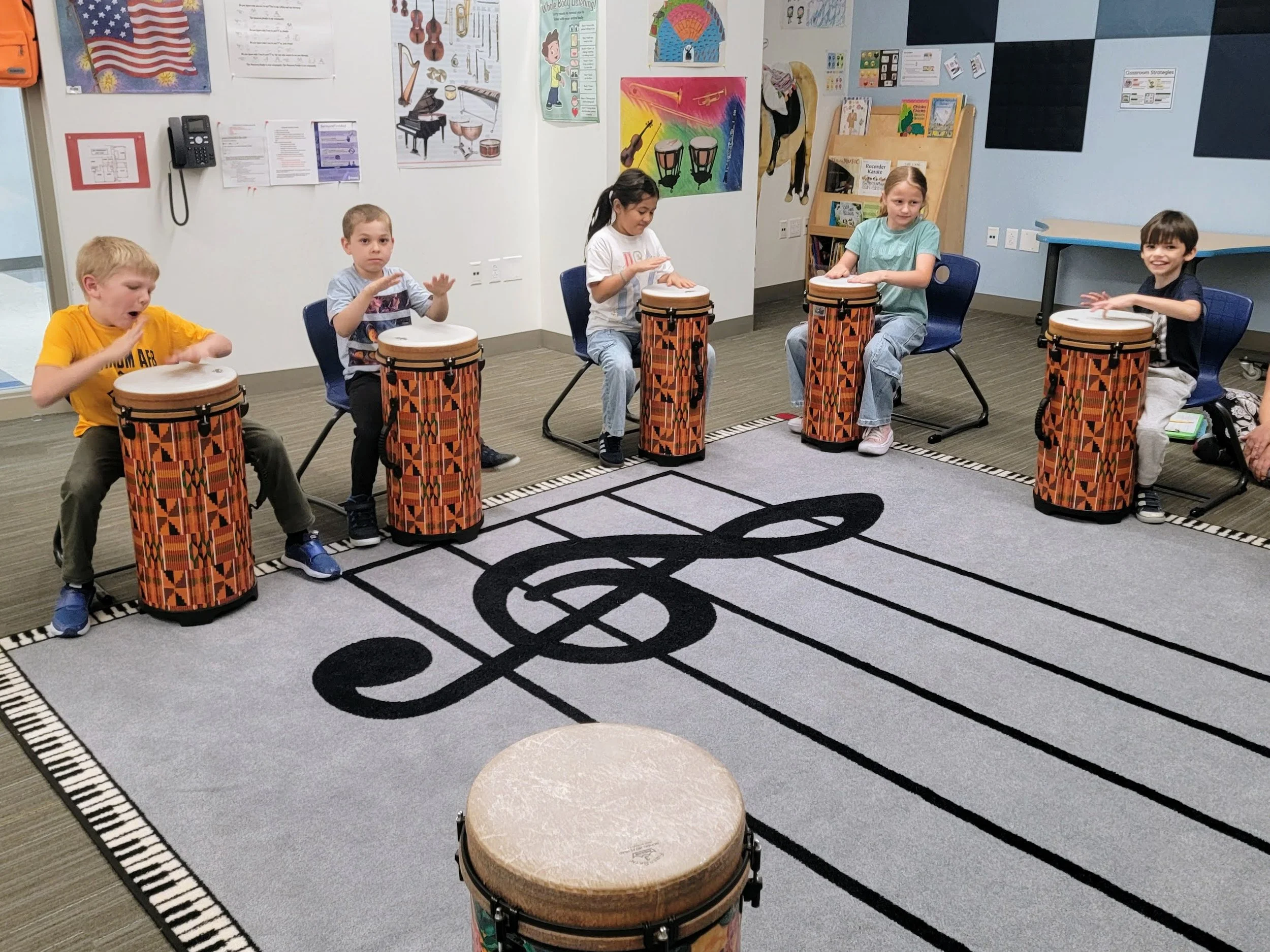
Music teacher Ryan Ruiz is introducing world drumming to students across both Hanscom and Lincoln schools through an LSF-funded 16-piece Turbano drum set. The new unit will be integrated into general music curriculum and will culminate in performances at school concerts throughout the year, including middle school winter concerts and spring performances. Students will learn about music and cultures from around the world through hands-on drumming experiences that are accessible to all learners. The program particularly benefits students who may not traditionally thrive in other performance formats, while building school-wide appreciation for diverse musical traditions.